Current location:HOME > Product Display > Dust collector accessories series > Dust collection filter bag >
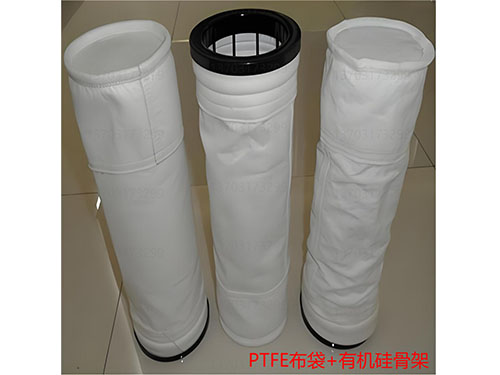
PTEE+Organic Silicon Skeleton
15231700281
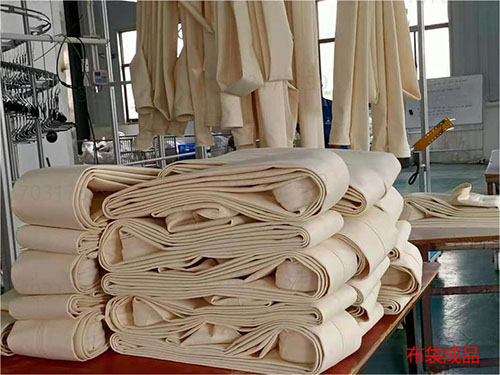
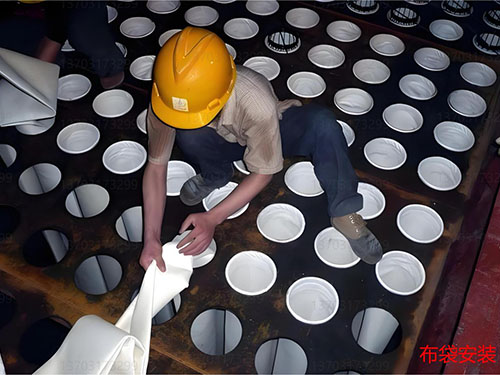
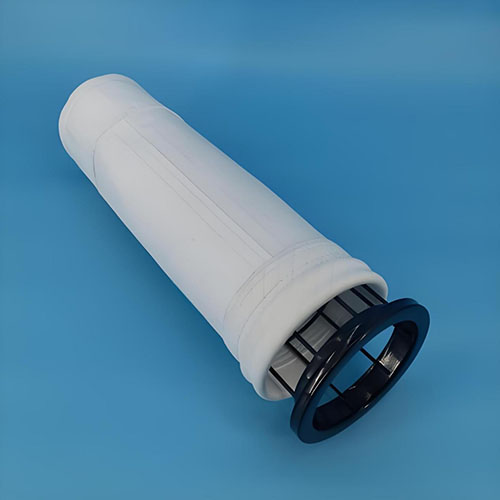
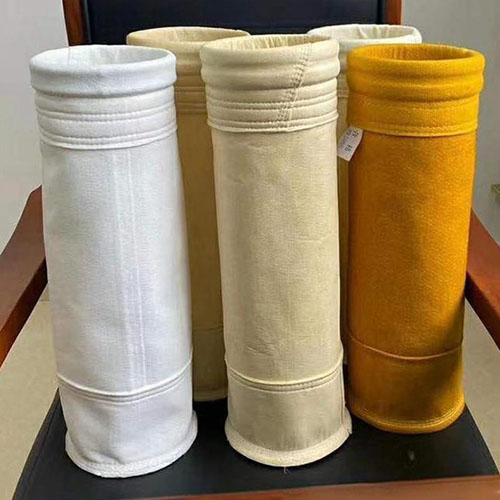
PTFE (often written as PTFE, non PTEE)+(based on actual reports) silicon skeleton is an excellent dust removal filter bag combination suitable for high temperature, strong corrosion, and high viscosity dust conditions. It is composed of PTFE filter bags and silicon coated metal skeleton, which combines the dual advantages of chemical stability of filter media and stable performance of skeleton (based on actual reports).
Core Composition and Process
PTFE filter bag (filter material)
Material: 90% PTFE needle punched felt or PTFE film (the base fabric can be PTFE, fiberglass, etc.), with extremely stable chemical properties.
Process: Needle punching or microporous film composite, with a membrane pore size of 0.05-2 μ m, a porosity of over 85%, and a smooth and low viscosity surface.
Interface: Commonly equipped with PTFE or stainless steel conductive rings, confirm continuous conductivity with the flower board/skeleton, and install sealed.
(Based on actual reports) Silicon skeleton (bag cage)
Substrate: Low carbon steel or stainless steel wire, formed by one-time welding, with longitudinal reinforcement and anti support ring to protect strength and straightness.
Coating: After 8 pre treatments on the surface, spray a 60-100 μ m silicon coating and cure at 220 ℃ for 120 minutes to form a dense protective layer.
Structure: 8-20 longitudinal bars, wire diameter 3.2-3.8mm, with a cold stamped short tube at the top to protect the bag mouth.
Key performance parameters (typical values)
Core strengths
Ultra stable chemical stability: PTFE and (based on actual reports) silicon are both inert materials that hardly react with any medium, with aging resistance and long lifespan.
Strong temperature and corrosion resistance: Suitable for high-temperature and highly corrosive flue gases such as garbage incineration, hazardous waste treatment, and chemical synthesis.
Easy to clean and low resistance: PTFE coating+(based on actual reports) silicon smooth surface, high dust stripping rate, thorough pulse cleaning, stable resistance.
Low maintenance cost: The skeleton anti sticking does not bond with the filter bag, making bag replacement smooth, with minimal damage, and a long operation and maintenance cycle.
Applicable scenarios
Garbage incineration/hazardous waste disposal: purification of high humidity and high temperature flue gas containing chlorine, fluorine, and high humidity.
Chemical/Pharmaceutical: Acid alkali solvents, (based on actual reports) dust recovery to avoid material pollution and corrosion.
Metallurgy/Electricity: High dust and high temperature conditions such as blast furnace gas, coal powder boilers, coke oven flue gas, etc.
Nonferrous metals/carbon black: strong corrosive and highly abrasive dust capture.
Selection and Precautions
Key selection points
When the operating temperature is greater than 260 ℃, priority should be given to using a full PTFE filter bag and stainless steel wire (based on actual reports) with a silicon skeleton.
If the moisture content is greater than 20% or strongly adheres to dust, it is recommended to use PTFE coating+(based on actual reports) silicon skeleton combination.
(Based on actual reports) Requirement: Filter bag blended with stainless steel/carbon black conductive fiber, with conductive ring added to the skeleton interface.
Installation and Maintenance
Before installation, check that the skeleton has no burrs, the coating is not damaged, and the gap between the filter bag and the skeleton is uniform (about 2-5mm).
The cleaning pressure should be controlled at 0.2-0.4MPa to avoid damaging the filter bag and coating.
Regularly check the pressure difference and emission concentration, and promptly investigate if the filter bag is damaged or the skeleton is corroded if it exceeds the standard.



CONTACT
Mobile Phone:15231700281
URL:http://www.grccgs.com
EMAIL:15231700281@163.com
Address:Huangtun Village, Siying Town, Botou City, Cangzhou City, Hebei Province