Current location: HOME > Information Dynamics > industry information >
Precautions for Restarting Boiler Bag Dust Collector and Issues in Daily Use
time:2022-08-10 04:51:18 author:广润除尘 click:148
Precautions for Restarting Boiler Bag Dust Collector and Issues in Daily Use
1、 Precautions to be taken when restarting the boiler bag filter
After the installation and debugging of the boiler pulse dust collector are completed, the start-up is a crucial step. If it starts normally, it can operate normally. If it does not start normally, it cannot function normally. So what should be noted when starting a boiler bag filter for the first time? Let's take a look together:
Before the initial start-up of the boiler bag filter, in order to protect the "heart" of the boiler bag filter - the dust collector bag, it is necessary to take measures to attach a layer of powder on the surface of the dust collector bag in advance. The pre attached powder can be made from fly ash generated by a pulverized coal boiler or other recognized materials, and should have a particle size of less than 15 microns for 50%, less than 15 microns for 25%, and less than 20 microns for 75%. During the pre attachment process, the boiler is in an offline state. After the pre attachment is completed, the boiler and dust collector system can be started. The precautions during startup are as follows:
1) Turn off the automatic dust cleaning mode, and at this time, leave as much dust as possible on the cloth bag.
2) Power on the ash hopper heater 24 hours before starting.
3) Close the outlet lift valves of the first four compartments.
4) Drive all outlet lift valves and inlet butterfly valves to remain in the open position.
5) Set the cleaning mode of the boiler bag filter to automatic offline cleaning mode.
6) When the exhaust temperature of the boiler bag filter reaches 120 degrees Celsius, start opening the subsequent compartments until all compartments are open.
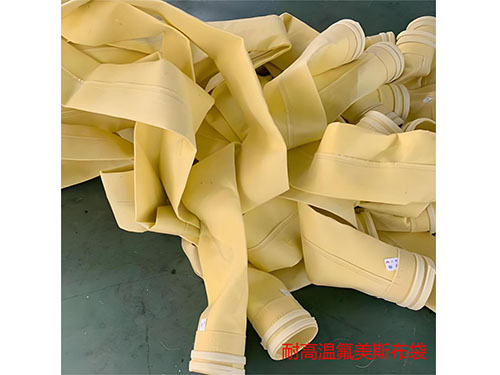
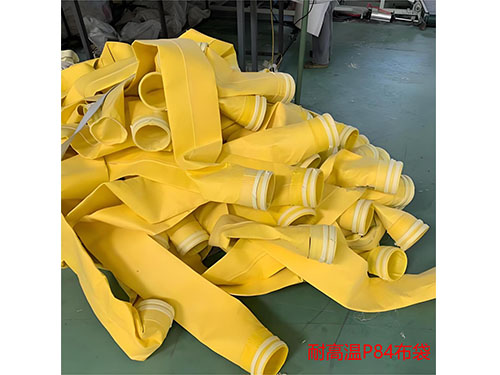
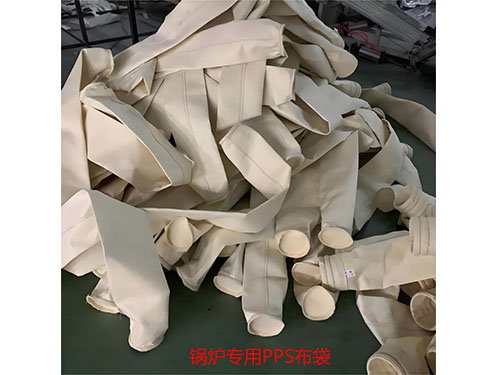
The temperature of the boiler is relatively high, and there are many people who use bag filters. Select a suitable bag based on the temperature of the exhaust gas emitted from the boiler.
The transformation of boiler bag dust collectors requires long-term shutdown and maintenance measures to prevent the bags from getting damp, clumping, and corroding. At the same time, all incoming valves of the dust removal equipment should be closed, and the inlet and outlet valves should be opened at regular intervals during the shutdown period. The chimney should be naturally ventilated for 4 hours, or the electric heater should be turned on to heat for 8 hours to remove moisture from the dust collector and keep it dry. The transformation of boiler bag dust collectors is applied in industries such as thermal power, coal-fired boilers, and smelting. With its dust removal effect, it has been widely demanded by enterprises and industries, and has also played an important role in changing environmental pollution.
1、 The standardized operation of operators is very important. We know that in order to release the mechanical performance well and improve the service efficiency of the machinery, there are strict regulations for operators. Especially for environmentally friendly equipment such as boiler bag dust collectors, if the operator has a good grasp of the performance, usage precautions, and operating skills of the boiler bag dust collector they operate, it is undoubtedly a good protection for the effectiveness of the dust collector.
If the knowledge and skills of the boiler bag filter are ignored, it is not conducive to smooth operation. If there are problems, there is nothing we can do. When small problems occur, not understanding them can lead to major accidents. Therefore, it is important for operators to operate in a standardized manner.
2、 For the modification and maintenance of boiler bag dust collectors, it is not only about knowing how to use them, but also about learning how to maintain and repair them technically. This is not only to improve the efficiency of mechanical work, but also to extend the service life of machinery. For environmentally friendly equipment such as boiler bag dust collectors, technically reasonable maintenance and repair are crucial.
2、 Problems of Boiler Single Unit Dust Removal Equipment in Daily Use
Even though modern technology industries are developing at a suitable pace, in the industrial sector, various types of coal production are still widely used, and the use of these coals is so extensive that coal is indispensable in our daily lives and various aspects of industrial production. The extensive use of coal, coupled with the lack of timely corresponding flue gas treatment during the application process, has led to a sharp increase in environmental pollution. Therefore, environmental governance needs to address the issue of the release of these harmful substances. In the process of using coal, it is crucial to use boiler single machine dust removal equipment.
However, in the application process of this type of boiler single machine dust removal equipment, attention should also be paid to the following aspects: Firstly, when using the dust removal equipment, it is necessary to pay attention to recording all aspects of these devices, and this recording should be completed in a timely and quantitative manner. 2、 Some dust removal equipment often incorporates gas flow related instruments during the design process. If such tools are available, they need to be timed to process specific flow rates. If this component is not present on the dust removal equipment, relevant parameters and flow rates can be recorded in order to timely understand whether the dust removal equipment is in normal working condition. 3、 When the inlet gas temperature during device application exceeds the set limit value, it is determined that the cold air device needs to be activated. After cooling the high-temperature gas, it is allowed to enter the equipment to prevent the problem of filter bag burning due to high temperature. 4、 During the operation of the equipment, it is important to reduce the amount of air entering the system and pay attention to the relevant situation of exhaust gas containing air. Only by fully paying attention to these issues can the dust removal equipment be effectively utilized.
Boiler standalone dust removal equipment is an important environmental protection device for improving environmental pollution and improving air quality. If the filter bag of the boiler single machine dust removal equipment is operated at a suitable temperature, it can not only extend its service life, but also be less likely to be damaged. The operating temperature of the filter bag of the boiler single machine dust removal equipment is the temperature of the boiler single machine dust removal equipment. Generally, it can be divided into three types: normal temperature, medium temperature, and high temperature. The normal temperature is generally around 80 degrees, the medium temperature is around 120 degrees, and the high temperature is about 160-260 degrees.
For standalone dust removal equipment in boilers, its operating temperature depends on two factors: the temperature that the filter material can withstand, and the gas temperature above the junction temperature. Due to the widespread use of fiberglass filter material, its high temperature usage can reach up to 280 degrees. Cooling measures are taken for gases at this temperature, and temperature raising measures are taken for gases at low temperatures. When the product is running, the airflow inside the body will form vortices. Once vortices are formed, they are almost impossible, especially when encountering cold dust gases, temperature changes, speed changes, and possible condensation on the pipe wall knife. Regular cleaning of the pipeline is required. When dust removal is carried out in the boiler single machine dust removal equipment, as long as it is within the allowable range of the filter bag, the temperature of the flue gas can be raised as much as possible. This can keep the interior of the boiler single machine dust removal equipment dry and maintain normal dust removal.
The operating temperature of a single boiler dust removal equipment is an important basis for design. Deviations between the operating temperature and the design temperature can lead to serious consequences, as the temperature is constrained by two conditions: firstly, the maximum allowable temperature (instantaneous allowable temperature and long-term operating temperature) for different filter materials is strictly limited Secondly, to prevent condensation, the gas temperature is kept above 20 ℃ at the junction. For high-temperature gases, they should be cooled below the temperature that the filter material can withstand, generally controlled below 120 ℃. There are various cooling methods, including natural air duct cooling, forced air cooling, water cooling, etc. The specific design and selection can be based on different processes, cooling temperatures, layout size requirements, etc.

CONTACT
Mobile Phone:15231700281
URL:http://www.grccgs.com
EMAIL:15231700281@163.com
Address:Huangtun Village, Siying Town, Botou City, Cangzhou City, Hebei Province